

Lake States Region
Regional Offices
Peoples Company - Marlette
Lake States
Peoples Company - Mineral Point
Lake States
Regional Listings
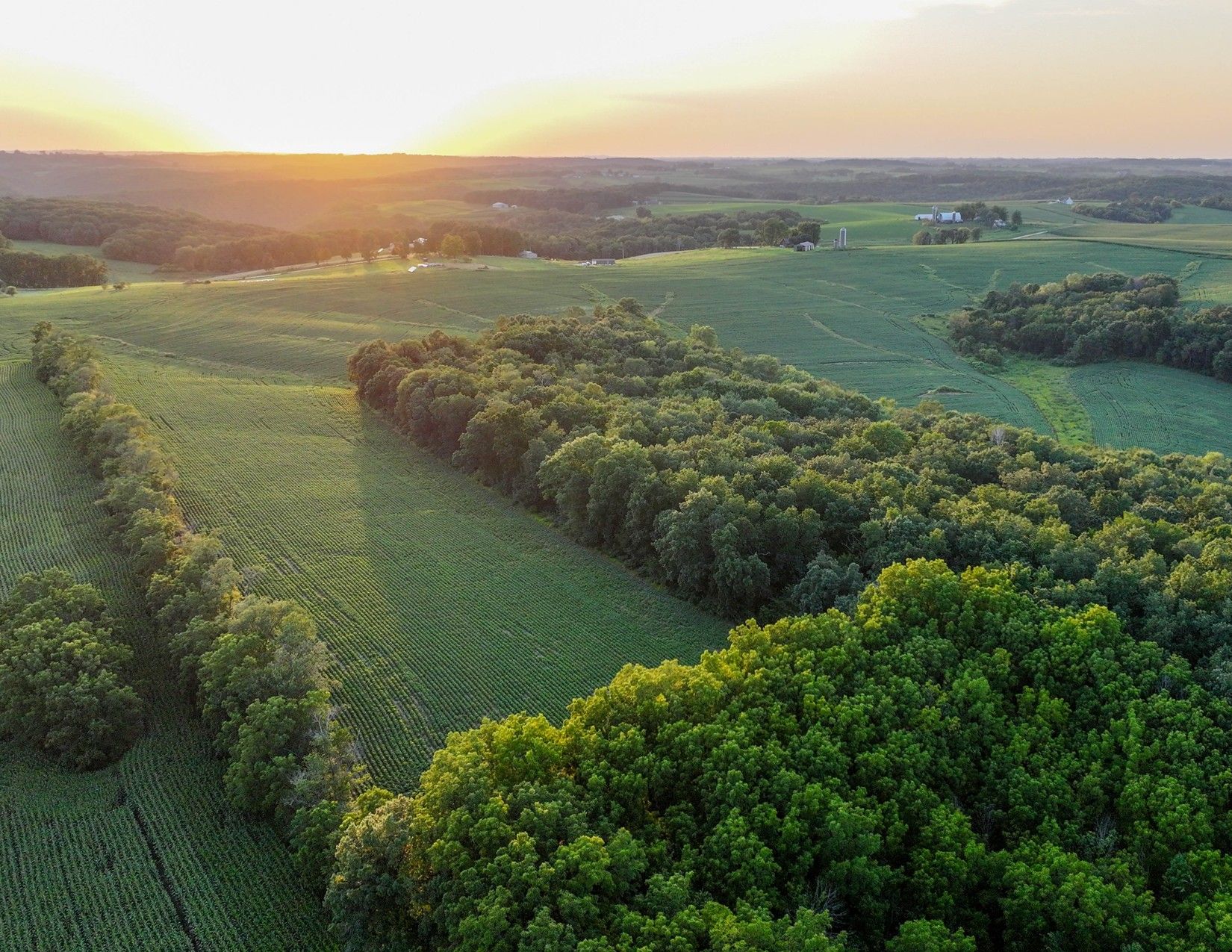
Vernon County, WI
Stump Ridge Road
Viroqua, WI 54665
Peoples Company is proud to present 169.75± acres m/l of highly productive Vernon County, Wisconsin farmland with exceptional recreational appeal, located in the scenic hills of southern Vernon Count...
ACRES M/L
LISTING
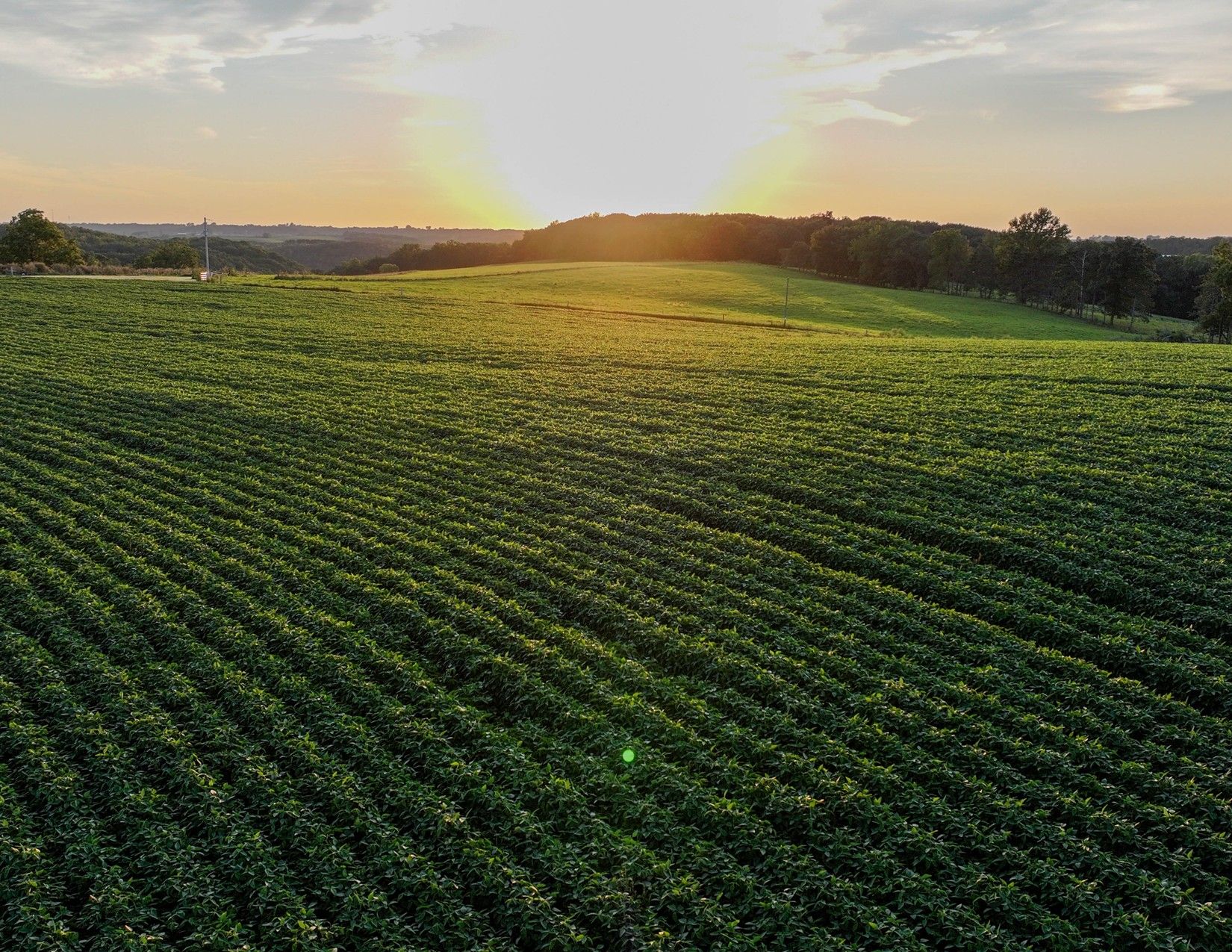
Vernon County, WI
Stump Ridge Road
Viroqua, WI 54665
Peoples Company is proud to present 40.22± acres of highly productive Vernon County, Wisconsin farmland. Located in southern Vernon County along Stump Ridge Road, this premier tract offers an estimat...
ACRES M/L
LISTING
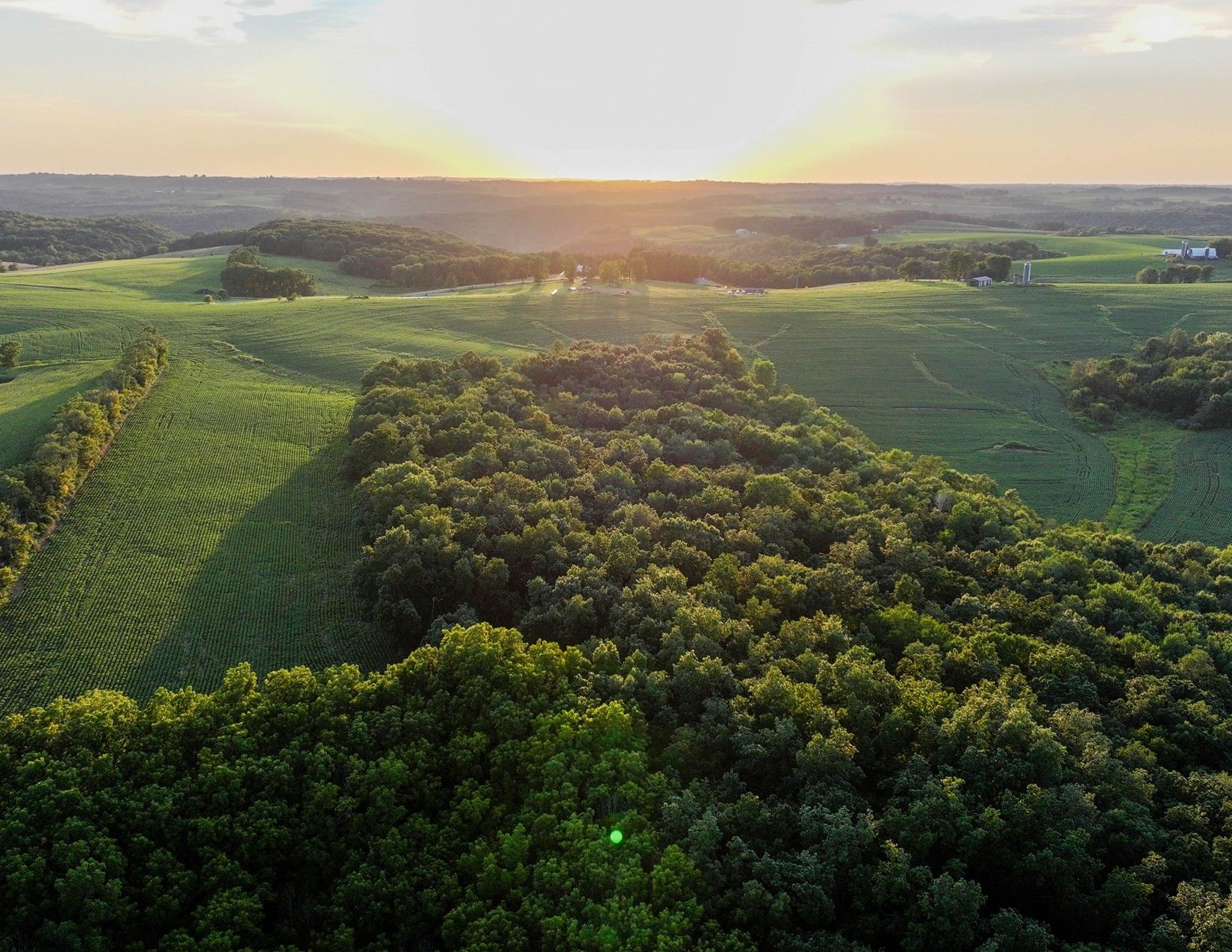
Vernon County, WI
Stump Ridge Road
Viroqua, WI 54665
Vernon County, Wisconsin Land Available - Peoples Company is proud to present 129.53± acres of prime Vernon County, Wisconsin tillable and recreational land situated in southern Vernon County, ...
ACRES M/L
LISTING
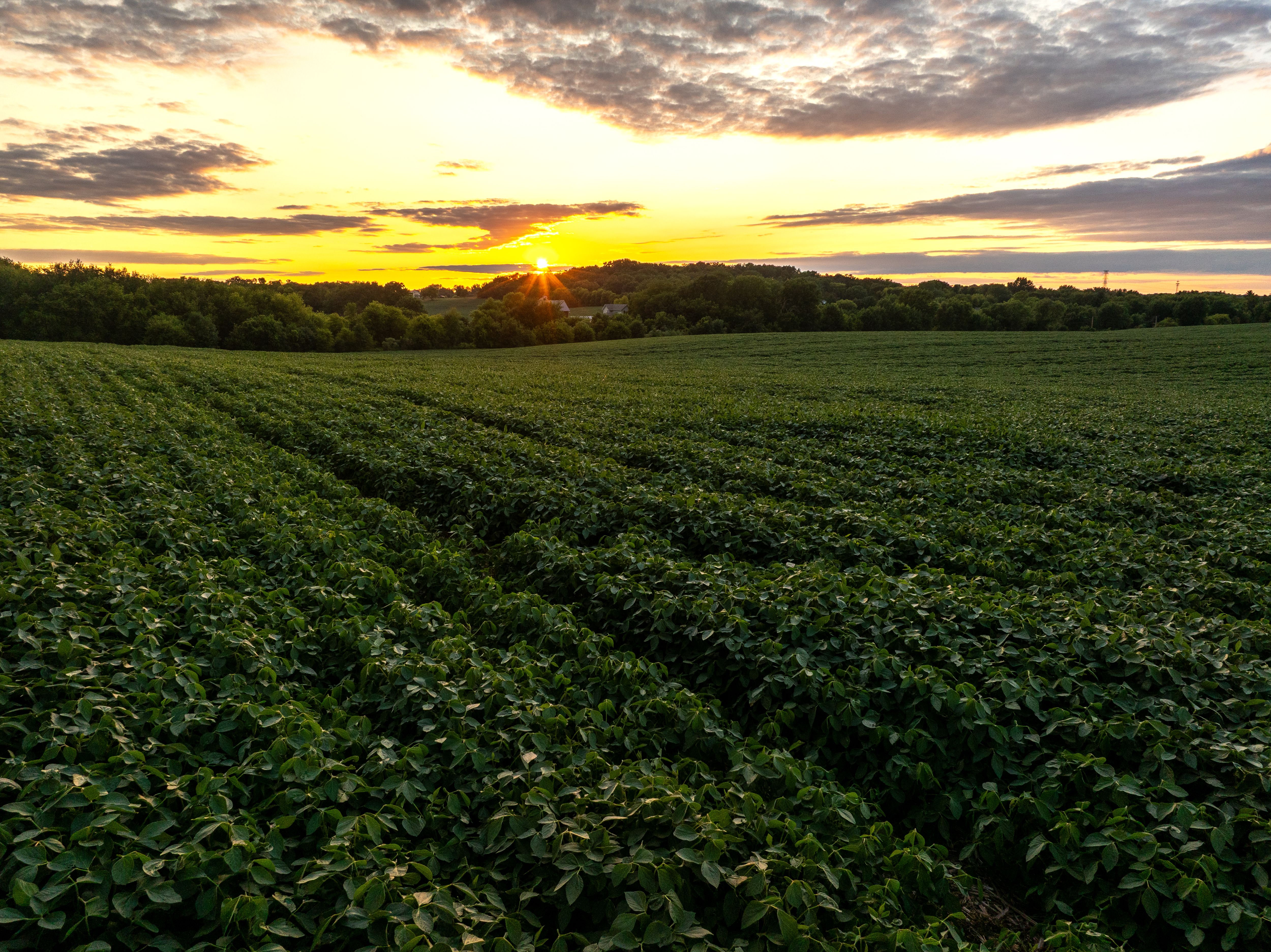
Dane County, WI
Kong Road & Koshkonong Road
Stoughton, WI 53589
Peoples Company is honored to represent 161.60± surveyed acres of highly desirable farmland located in the Town of Pleasant Springs, Dane County, Wisconsin. Offered in three tracts, this well-positio...
ACRES M/L
AUCTION DATE
LISTING

Dane County, WI
Old Stage Road
Stoughton, WI 53589
Major Dane County, Wisconsin Land Auction – Mark your calendar for Wednesday, September 23rd, 2026, at 10:00 a.m. Peoples Company is honored to represent Vike Investment Group, LLC in the sale of an...
ACRES M/L
AUCTION DATE
LISTING

Grant County, WI
Cannon Road
Lancaster, WI 53813
Grant County, Wisconsin Land Available - 75± Acres of Premier Recreational & Timber Investment Opportunity Peoples Company proudly presents this rare, hard-to-find 75± acre property located in ...
ACRES M/L
LISTING
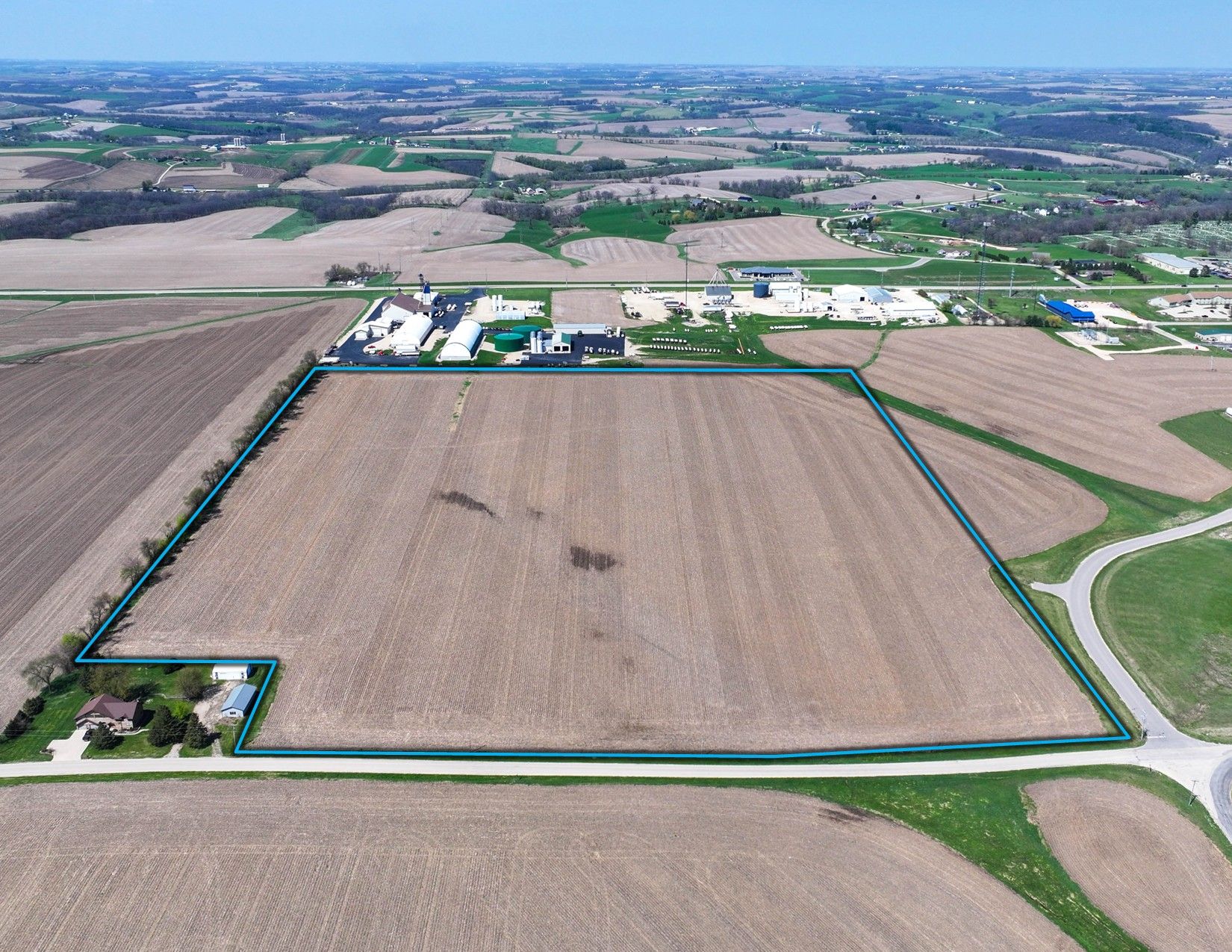
Lafayette County, WI
Country Club Road
Darlington, WI 53530
Lafayette County, Wisconsin Development Opportunity This highly tillable farmland tract is conveniently located in Lafayette County, Wisconsin, near the City of Darlington, within the Business Pa...
ACRES M/L
LISTING

Grant County, WI
State Highway 133
Cassville, WI 53806
Grant County, Wisconsin | 578.01 ML Acres | Legacy Driftless OfferingIn the heart of the Driftless Region, where steep ridgelines, spring-fed valleys, and unaltered landscapes define one of the most s...
ACRES M/L
LISTING
.png)
Jefferson County, WI
Topel Street
Lake Mills, WI 53551
Peoples Company is proud to present 24.65 m/l acres located in the City of Lake Mills, WI. This is a unique opportunity to shape the future of the thriving city of Lake Mills. Located on the south sid...
ACRES M/L
LISTING
