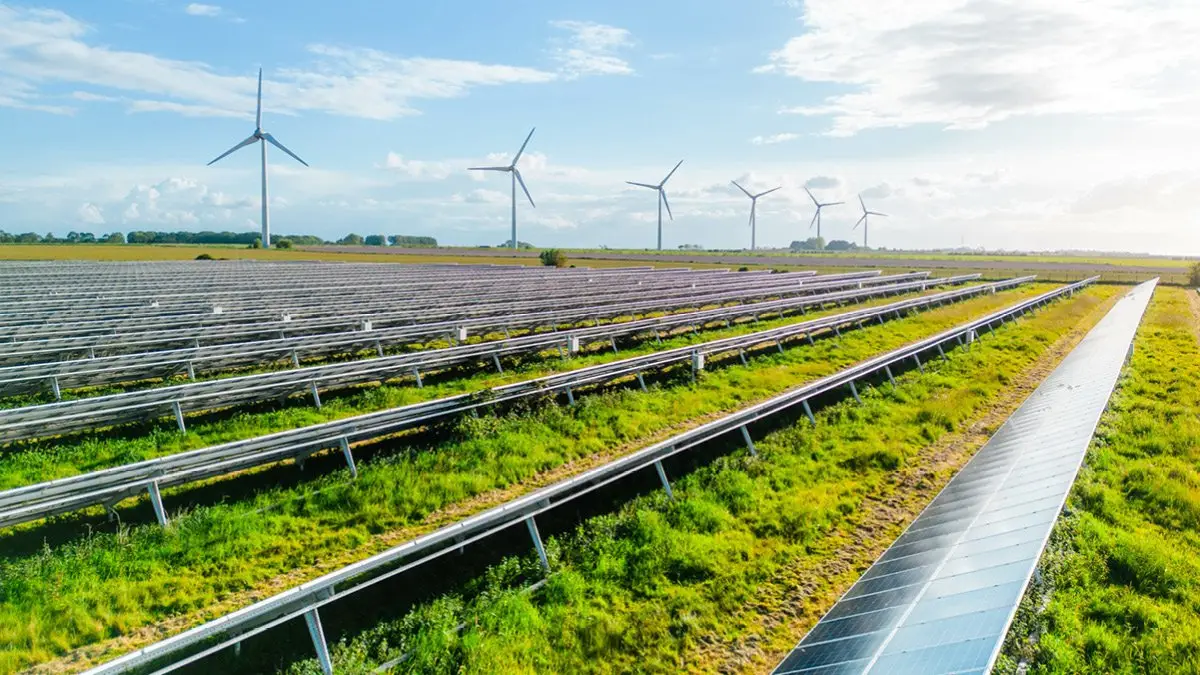
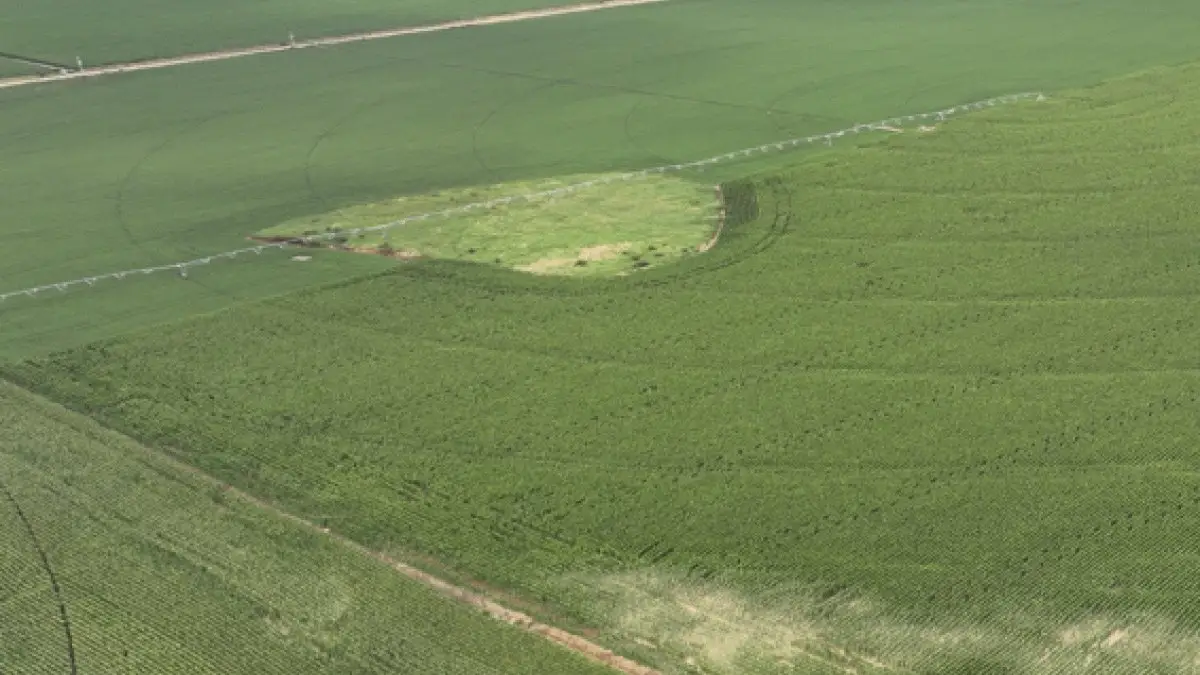
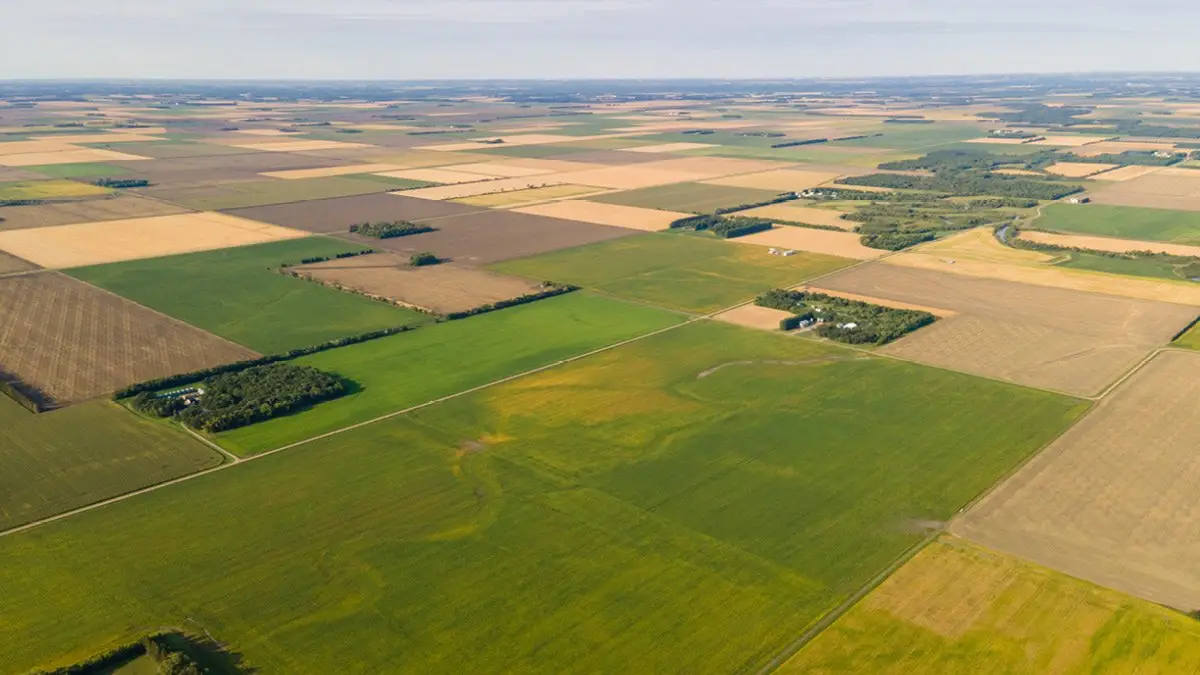
The interconnection queue is the approval process every solar, wind, or battery project must complete before connecting to the electric grid. Without clearing it, a project cannot be built. For landowners with renewable energy leases or lease offers, this process often determines whether a signed agreement becomes decades of steady income or ends during development.
How the Interconnection Process Works
When a developer submits an interconnection application, the project enters a formal engineering review with the regional grid operator. The grid is not an open outlet. It needs to remain balanced every second of the day and adding new generation changes power flows across wide regions.
Most projects move through three structured studies:
Feasibility Study - An initial screening that identifies obvious grid constraints.
System Impact Study - A detailed reliability and power flow analysis.
Facilities Study - Final engineering design and precise cost estimates for required upgrades.
During these studies, engineers determine whether new substations, transmission lines, or equipment upgrades are required to maintain reliability. The developer is often responsible for funding some or all of those upgrades.
Costs can change significantly from one stage to the next. A project that appears financially viable early on may later receive upgrade cost assignments that alter its economics. If financing cannot support those costs, the developer may withdraw from the queue.
Why the Interconnection Queue Determines Project Viability
Interconnection approval is the final gate before construction. Until a developer signs an interconnection agreement and accepts assigned upgrade costs, financing cannot close and construction cannot begin.
This means grid approval often determines whether a project moves forward at all. Even well-sited land with strong solar or wind resources can become financially unviable if transmission upgrades are extensive or expensive.
The Clean Energy Bottleneck
Renewable development has accelerated rapidly over the past decade, with solar, wind, and battery projects representing the majority of new generation proposals in many regions. The U.S. transmission system, much of which was built decades ago, has not expanded at the same pace.
Building new high-voltage transmission lines can take ten years or more due to permitting challenges, siting disputes, and regulatory approvals. At the same time, determining who should bear the cost of large regional upgrades, whether it be developers, utilities, or consumers, remains a complex policy issue. Until transmission expansion accelerates and cost allocation is clarified, interconnection queues will likely remain congested.
In 2023, the Federal Energy Regulatory Commission issued Order No. 2023 to address growing backlogs and high project withdrawal rates. The rule requires most grid operators to shift from studying projects individually to studying them in clusters. Under the old serial approach, projects were evaluated one at a time in the order they entered the queue. This often-created cascading delays, as later projects had to restudy impacts whenever earlier projects withdrew. The new cluster model groups projects together based on a common entry window and studies their combined impact on the grid.
This change was designed to reduce speculative applications and create more accurate cost allocations. Developers must now demonstrate site control and post larger financial deposits earlier in the process. In theory, this should discourage projects that are unlikely to move forward and improve overall efficiency. However, the transition has not been seamless. Many regions paused or slowed new applications while redesigning their procedures, which temporarily extended timelines for projects already in development. In addition, cluster studies can assign upgrade costs across multiple projects, creating shared cost exposure and more complex negotiations among developers.
Across all markets, the underlying constraint is the same, grid capacity has not kept pace with renewable development. This means project success often depends heavily on transmission availability, upgrade economics, and where a project falls within the cluster study cycle.
How This Directly Impacts Landowners
Most renewable leases begin with an option or development term. During this period, the developer conducts environmental studies, secures permits, and navigates the interconnection queue. If interconnection approval is not obtained, the developer typically retains the right to terminate the agreement. Option payments may provide modest income during development, but long-term revenue generally begins only after construction. If a project withdraws due to high upgrade costs or prolonged delays, the lease may never reach its operational stage.
Development timelines that once projected two years now often extend four to six years or longer. These delays directly affect long-term income planning, especially for landowners who may be counting on lease revenue to supplement retirement, stabilize operating income, or reduce debt.
Uncertainty can also complicate farm or ranch expansion decisions, since acreage under lease option may be restricted from other improvements, irrigation investments, or operational changes while the project remains in development. From an estate planning perspective, prolonged timelines can create valuation questions and succession challenges, particularly if heirs are expecting operational lease payments that have not yet begun.
Additionally, extended development periods can limit competing land use opportunities, as the property may be encumbered by exclusivity provisions that prevent alternative energy projects, agricultural conversions, conservation programs, or even potential land sales.
What Landowners Should Do Before Signing a Lease
Landowners should ask direct questions about the project’s position in the interconnection queue and how that position affects expected timing. Understanding where the project stands relative to others can provide insight into whether studies are likely to move forward soon or face extended delays. It is important to request realistic study completion timelines, rather than relying on optimistic projections. In addition, landowners should ask about known transmission constraints in the area, including whether nearby substations or lines are already congested. Reviewing whether similar projects in the region have successfully reached commercial operation can offer a practical signal of how viable new projects may be under current grid conditions. Landowners should also seek clarity on how potential upgrade costs could affect overall project economics, since large cost assignments can delay or derail development.
Because development periods are now longer and less predictable, lease terms should reflect today’s risk environment. Escalating option payments during extended study periods can help compensate landowners for additional time their property remains encumbered. Setting reasonable limits on the number or duration of extensions can prevent projects from remaining in development indefinitely without meaningful progress. Defined construction start deadlines provide clearer expectations about when operational income might begin. In some cases, negotiating termination compensation after prolonged development can offer protection if a project ultimately fails to secure interconnection approval.
A renewable energy lease can still provide meaningful, long-term income and financial stability for landowners. In many cases, these agreements offer diversification and predictable payments without giving up underlying land ownership. However, in today’s market, the interconnection queue has become one of the most decisive factors in whether a project actually reaches construction. Grid capacity, upgrade costs, and study timelines can determine success or failure long after a lease is signed. For landowners, this means that understanding interconnection risk is no longer optional. Careful due diligence, thoughtful lease structuring, and clear communication with developers are essential to turning a proposed project into a built and operating asset rather than a stalled proposal.
If you are considering a renewable energy opportunity, the Peoples Company Energy Management team can help you assess risk, review lease terms, and position your property for long-term success.